.svg)


.svg)
The “Ozempic Face” Fix: Restoring Volume After GLP-1 Weight Loss
You did everything right. You lost the weight, your bloodwork improved, your clothes fit again. So why does the face in the mirror look older, more tired, and somehow less like you than before?
You are not imagining it, and you are far from alone. As GLP-1 medications like semaglutide and tirzepatide have become some of the most common prescriptions in the country, physicians have watched a paradox emerge: patients who are healthier than they have been in years arrive looking drawn and prematurely aged. It has a nickname "Ozempic face" and the solution is more sophisticated than the internet's quick fixes.

Why losing weight changes your face
A youthful face is built on discrete compartments of fat in the cheeks, temples, under the eyes, and around the jaw. Full and high, they create the soft contours we read as youth. Facial fat is also among the most metabolically active in the body, so when you lose weight quickly, your face is one of the first places it leaves.
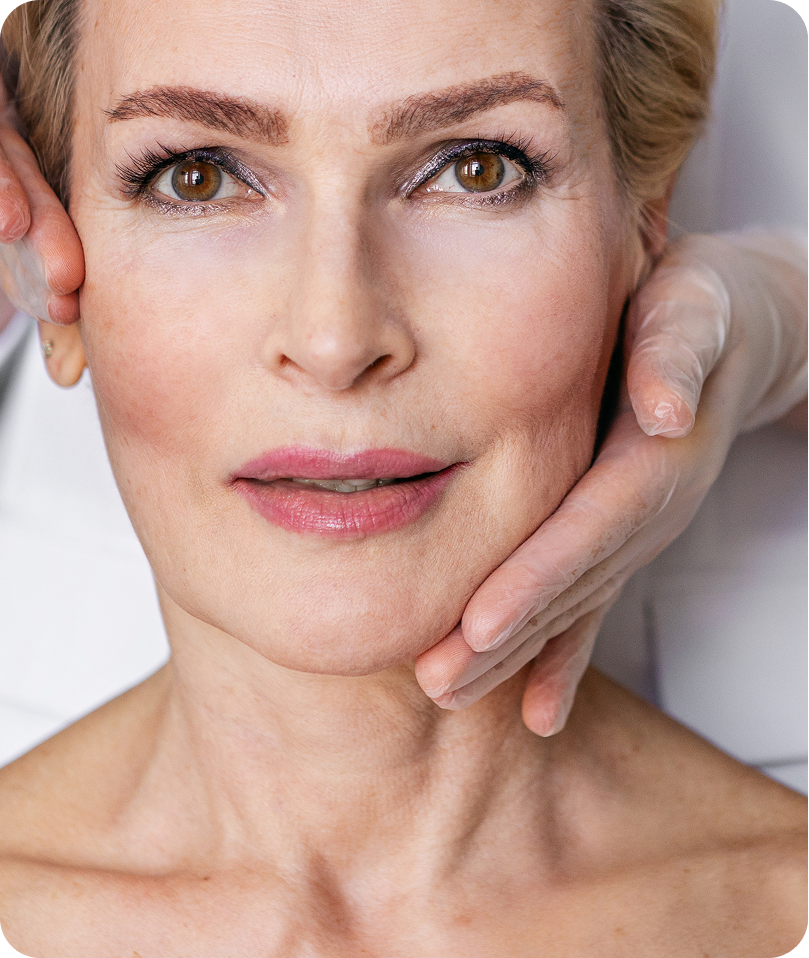
GLP-1 medications are extraordinarily effective, and that is exactly the problem for the face: the fat leaves faster than the skin can adapt. Skin once stretched over fuller compartments is left with less to support it, and because elasticity declines with age, it does not simply shrink back. The result is a face that can look five to ten years older hollow temples, flattened cheeks, deeper folds, and shadowed under-eyes even in someone objectively healthier than ever. Wanting the outside to match the work you have done is entirely reasonable.
Why a syringe of filler often disappoints
"Ozempic face" is not one deflated balloon to re-inflate. It is two problems at once: structural volume loss and a decline in skin quality, meaning laxity, crepiness, and lost bounce. Treat only the volume, with too much product placed too superficially, and the face can look puffy or subtly wrong in a way that is hard to name but impossible to unsee. Treating the symptom while ignoring the cause is how people end up looking more done, not more like themselves. Restoring a face after significant weight loss is a clinical problem that rewards a physician's eye, not a single product off a menu.

The physician-led approach at AlyneMD
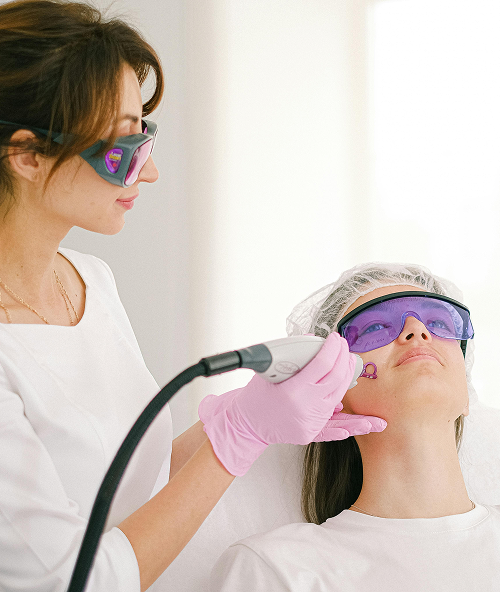
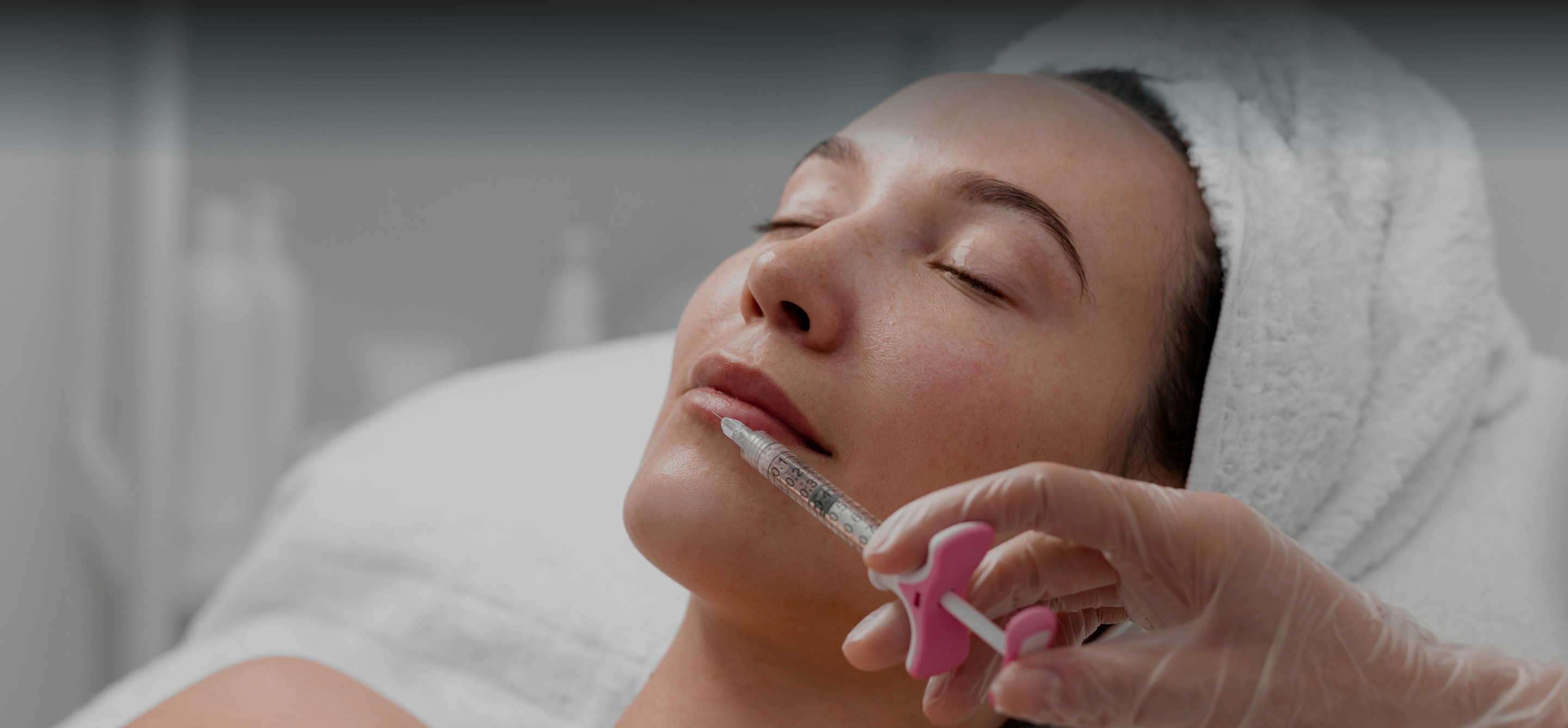
At AlyneMD, restoration is designed and led by Dr. Sandhu as one integrated plan. Three elements work together:
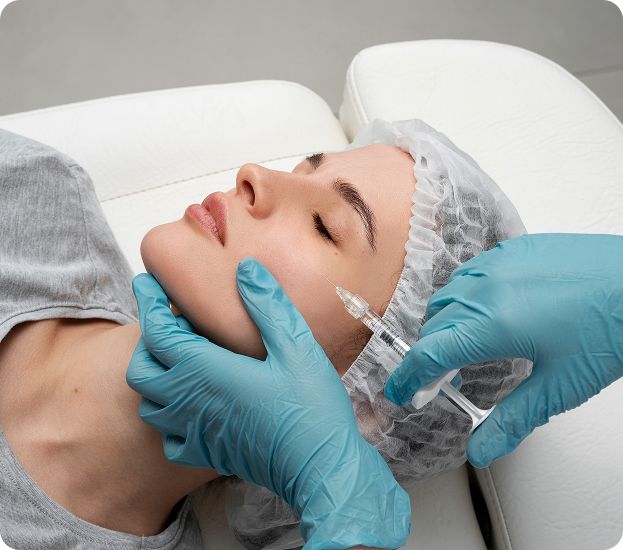
Regenerative volume, where it was lost.
Skin quality, addressed directly.
Pacing the loss, where appropriate.
Are you a candidate?
The patients who benefit most have lost significant weight and are bothered by facial hollowing, a tired or gaunt look, or skin that has lost its firmness. Candidacy also depends on your skin, your health, and where you are in your journey which is why the honest answer comes from a physician examining your face in person, not from a photo or an article.
Why this beats both the cheap fix and surgery
It helps to situate this between the two extremes patients consider. At one end is the inexpensive, volume-only filler fix, which disappoints because it solves half the problem. At the other, some assume significant facial aging after weight loss requires surgery, and for many, it does not. A regenerative, physician-led plan occupies the valuable middle: more sophisticated and durable than a syringe of filler, less invasive than an operation. A responsible practice will also tell you honestly when a concern is beyond what non-surgical treatment can achieve.
What this looks like a few months from now
The body you worked for, and a face that finally agrees with it. Rested rather than hollow. Restored rather than rebuilt. Recognizably you, in the meeting, at dinner, in the photographs you have been avoiding. That outcome is specific to your face and timeline, and the only way to know what it takes is a physician assessment.
Frequently Asked Questions
Frequently Asked Questions
Ozempic Face Restoration FAQs
Ozempic face” describes the hollow, gaunt, prematurely aged appearance that can follow rapid weight loss on GLP-1 medications such as semaglutide or tirzepatide. It is caused by the loss of facial fat in the cheeks, temples, and under-eyes, combined with reduced skin support. It is common, it is well understood, and it is treatable.
Yes. Non-surgical, regenerative treatments can restore lost facial volume and improve skin quality without an operation or extended downtime. At AlyneMD, this is addressed with a physician-led combination of regenerative restoration and skin-tightening, individualized to each patient.
It depends on the pattern and severity of your volume loss, which is exactly why a physician assessment matters. Restoration after significant weight loss usually rewards a regenerative approach that addresses both volume and skin quality, rather than volume alone.
There is no single answer timing depends on how much weight you are losing and how quickly. A consultation early in your journey lets us plan restoration at the right moment rather than playing catch-up.
See if you're a candidate for GLP-1 facial restoration.
Book a consultation, designed and led by Dr. Sandhu, at AlyneMD.
call (908) 888-9199 or request your appointment online.

.png)
.png)




.webp)

.png)
.webp)
.webp)


.svg)