.svg)


.svg)
Women's Intimate Health After 40: The Conversation No One Starts
There's a category of change women are rarely warned about and even more rarely invited to discuss. Somewhere in the perimenopausal and menopausal years, intimacy can start to feel different: dryness, discomfort, a loss of sensation or desire, sometimes pain. And because no one brought it up beforehand and no one seems to be talking about it now, too many women conclude it's simply the cost of getting older, to be quietly endured.
It is not something you have to endure. It's a recognized medical condition, it's common, and it's treatable. The silence is the only thing that's optional.

The short version
Changes in intimacy after menopause dryness, discomfort, lost sensation are common and have a real medical name: GSM.
It's part of the same estrogen decline affecting your skin, energy, and sleep one hormonal story, not separate problems.
The most established help is medical, including hormonal therapies not a marketed device.
Energy-based "rejuvenation" devices are not FDA-established for these symptoms; evidence-based options come first.
Give it its real name
What's often dismissed as "just dryness" has a clinical name: genitourinary syndrome of menopause, sometimes called vulvovaginal atrophy. It describes the changes to tissue, comfort, lubrication, and sometimes urinary symptoms that follow the decline of estrogen around menopause. Naming it matters, because a named medical condition is something a physician can evaluate and treat, rather than a vague complaint you're left to manage alone.
And it's part of a bigger picture. The same estrogen decline driving these intimate changes is the one affecting your skin, your energy, and your sleep. These aren't separate problems; they're one hormonal story showing up in different places, which is exactly why this belongs with a physician who treats the whole picture.
.webp)
What Actually Helps Honestly
This is where you deserve straight information rather than marketing. The most established, evidence-supported approaches to these changes are medical: physician-evaluated options including hormonal therapies, which directly address the underlying estrogen decline, and other treatments selected for your situation. For many women, addressing the hormonal root is what produces meaningful, lasting relief.
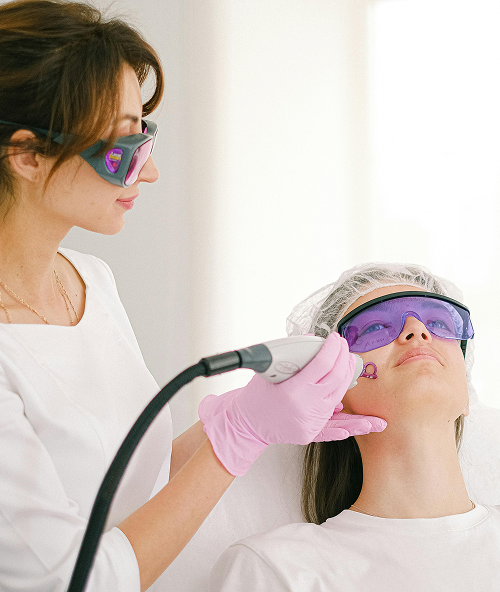
You may have seen energy-based "rejuvenation" devices marketed for these symptoms. Here's the honest position a responsible physician owes you: regulators have not established the safety and effectiveness of energy-based devices for these specific intimate and menopausal indications,and standard, evidence-based options should be considered first. A practice that leads witha laser for this instead of evaluating the underlying cause is selling, not treating. At AlyneMD, the starting point is always evaluation and the evidence, not a device.
.webp)
The physician-led approach at AlyneMD
Intimate and sexual wellness is treated as legitimate medicine, designed and led by Dr. Sandhu with discretion and without embarrassment. It starts with a real conversation and real evaluation of your symptoms, your history, and your hormones, because relief depends on understanding the cause. Because these changes are usually part of a broader hormonal shift, addressing them often means addressing skin, energy, and well-being at the same time, through the practice's Women's Health and longevity care. And it's handled with the dignity one of the most quality-of-life-defining areas of health deserves.
You don't have to just live with it
Imagine comfort restored. Intimacy that feels like yours again. The quiet relief of discovering that something you'd resigned yourself to was treatable all along. Whether and how that's achievable depends on your individual health which is exactly what a confidential consultation is for.
Frequently Asked Questions
Frequently Asked Questions
Women's Intimate Health FAQs
A recognized medical condition caused by declining estrogen around menopause, producing changes such as vaginal dryness, discomfort, reduced lubrication, changes in sensation or desire, and sometimes urinary symptoms. It's common and treatable.
Very common but common doesn't mean you simply have to live with it. Physician-evaluated treatments, including hormonal therapies that address the underlying estrogen decline, can provide meaningful relief for many women.
Regulators have not established the safety and effectiveness of energy-based devices for menopausal, urinary, or sexual-function indications, and standard evidence-based options should generally be considered first. A physician can walk you through the options honestly.
For appropriate candidates, hormonal approaches directly address the estrogen decline driving these changes and are among the most established options. Whether it's right for you depends on individual evaluation.
Have the conversation, confidentially.
Book a physician-led women's health consultation at AlyneMD call (908) 888-9199 or request your appointment online.
.webp)

.png)
.png)
.png)



.webp)



.webp)

.svg)