.svg)


FUE Hair Transplant in New Jersey
.svg)
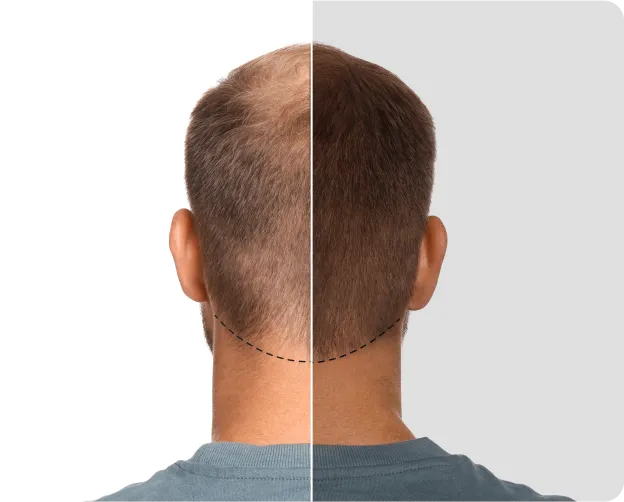
FUE Hair Transplant moves individual follicular units from a stable donor area to areas of thinning or hair loss. The goal is not to “stimulate” new follicles—it is to redistribute permanent donor hair with careful graft handling and natural hairline design.
.webp)
FUE uses small punch excisions to harvest follicular units one by one, avoiding the linear donor scar associated with strip surgery. Planning depends on donor density, hair-loss pattern, scalp characteristics, desired coverage, and the number of grafts that can be harvested safely.
Transplanted donor follicles can provide long-lasting, natural-looking growth, but native hair loss may continue over time. A complete plan therefore considers both transplantation and long-term management of the surrounding hair. Explore Hair Loss & Hair Restoration Explore PRP hair restoration for nonsurgical density support → Review KeraLase for nonsurgical scalp support → Start with AlyneMD's physician-led hair and scalp evaluation →

How FUE Hair Transplant Works
FUE is a hair-transplant technique, not a scalp-conditioning treatment. Individual follicular units are harvested from the donor area and placed into recipient sites designed around your existing hair, density goals, and future hair-loss pattern.

.webp)
FUE Grafts, Recovery & Results


.svg)
.svg)

Real Transformations
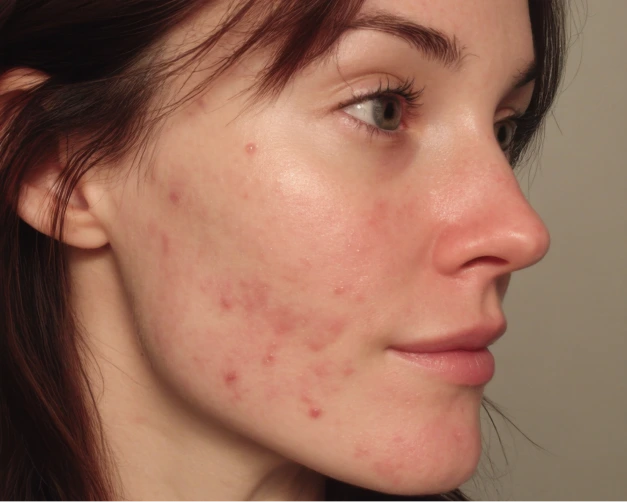
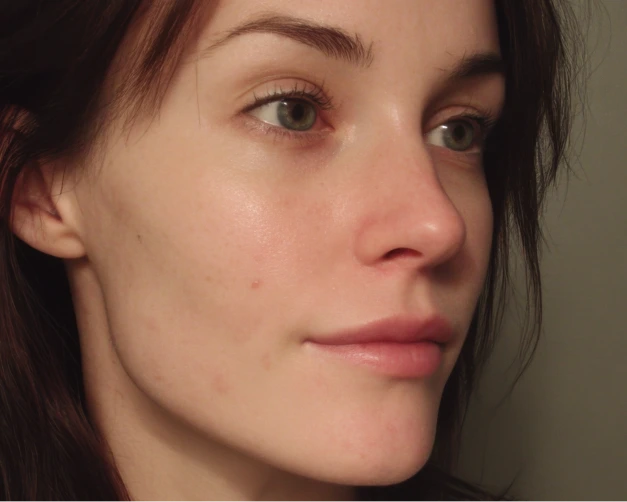


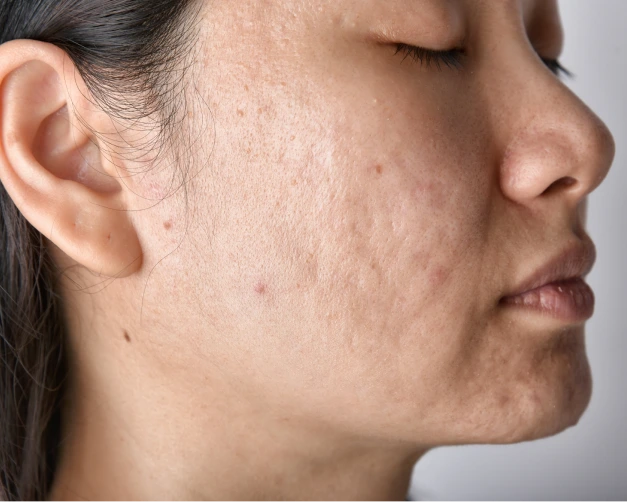
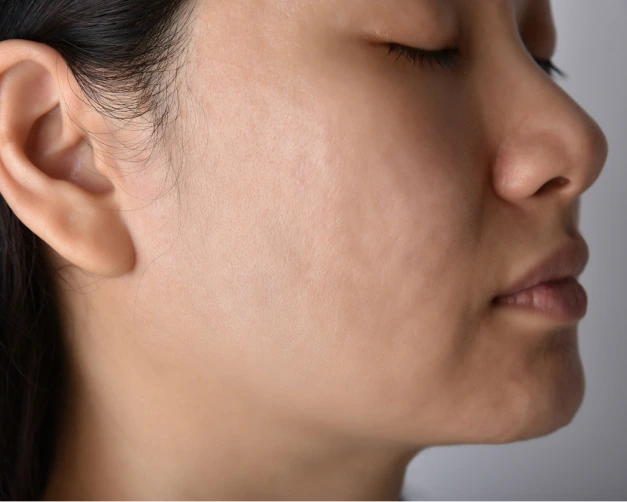
.webp)
FUE Procedure, Recovery & Hair Growth
Planning & Donor Assessment
Recovery & Growth
Why Choose AlyneMD
Frequently Asked Questions
FUE (Follicular Unit Extraction) is a minimally invasive procedure where individual hair follicles are harvested from donor areas and transplanted to thinning or balding areas for natural-looking hair growth.
Candidacy depends on the diagnosis, stability and extent of hair loss, donor density, scalp health, medical history, and realistic coverage goals. Patients with diffuse donor thinning or certain scarring conditions may not be good transplant candidates.
Graft count is individualized based on the size of the treatment area, desired density, donor supply, and hair characteristics. The procedure commonly takes about 4–8 hours, with larger cases sometimes requiring staged planning.
Redness, swelling, tenderness, and crusting are expected early after FUE and usually improve over the first week. Return to work and exercise depends on the visibility of healing and your individualized postoperative instructions.
Transplanted hairs commonly shed during the first several weeks. New growth develops gradually; many patients see meaningful improvement by 6–9 months, with continued maturation that may take 12 months.
FUE cost depends primarily on the number of grafts, donor characteristics, treatment area, and case complexity. After evaluation, AlyneMD provides an individualized graft plan and treatment quote.
Expected short-term effects can include pain or tenderness, swelling, bleeding, redness, crusting, temporary shedding, and folliculitis. Less common complications include infection, donor-area thinning or scarring, poor graft growth, and an unnatural result. Careful donor assessment, graft handling, and postoperative care matter.

.svg)