Q-Switched Laser in New Jersey for Pigmentation
Q-Switched Laser effectively treats pigmentation,uneven skin tone, sun damage, & dark spots. Its rapid pulses break down excess melanin to reveal clearer, brighter, more even-looking skin.

Q-Switched lasers deliver very short, high-peak-power pulses that target selected pigment so the body can gradually clear disrupted pigment particles. They can be useful for sunspots, freckles, certain post-inflammatory marks, and selected pigment disorders. Melasma requires conservative settings and careful patient selection because it is chronic and can recur or worsen with irritation.skin rejuvenation by stimulating collagen for improved texture and a healthier glow.
Q-Switched treatment is not interchangeable with every other pigment laser. Wavelength, pulse duration, fluence, spot size, skin tone, pigment depth, recent tanning, and prior post-inflammatory hyperpigmentation all matter when choosing settings.proven solution for pigmentation concerns. Powered by advanced technology, Q-Switched Laser provides long-lasting results for various skin types.

What Q-Switched Laser Treats
Q-Switched Laser effectively treats pigmentation, uneven skin tone, sun damage, and dark spots, helping restore a brighter & more even complexion.
Compare with Ultra 1927Compare with Pico Laser
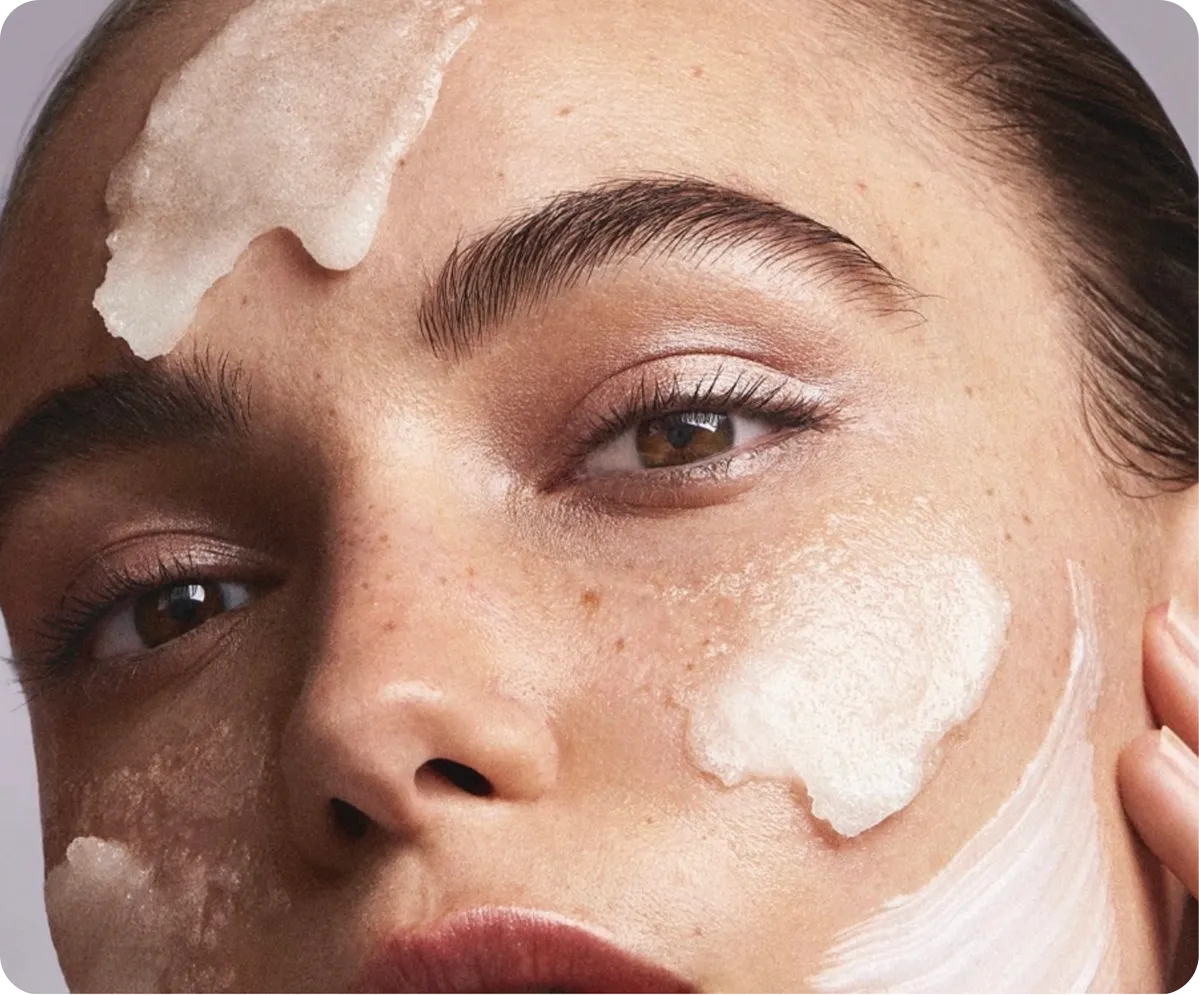
Q-Switched Laser Sessions, Downtime & Results


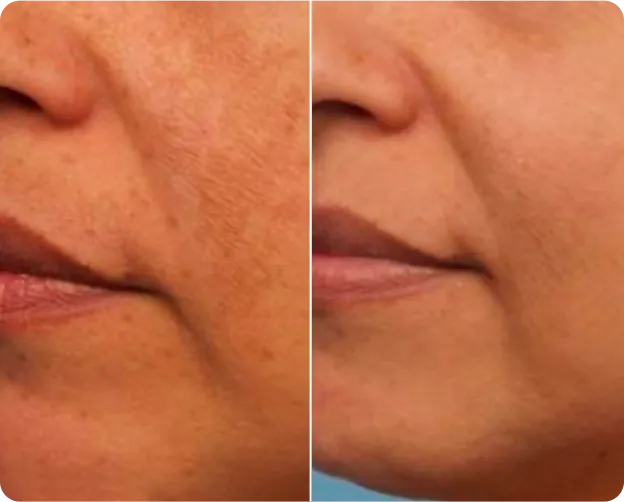
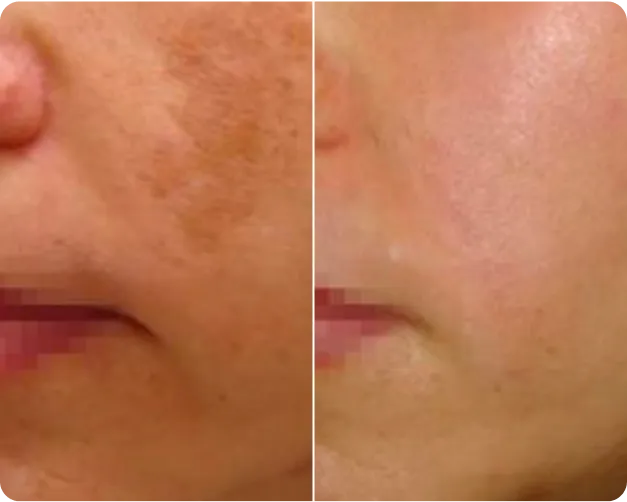
Real Transformations
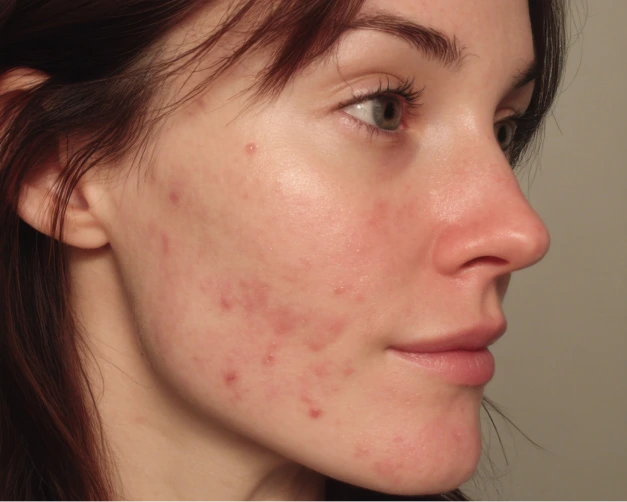
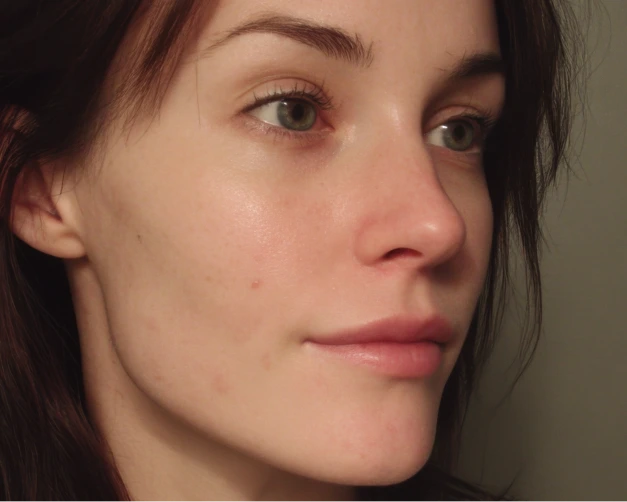


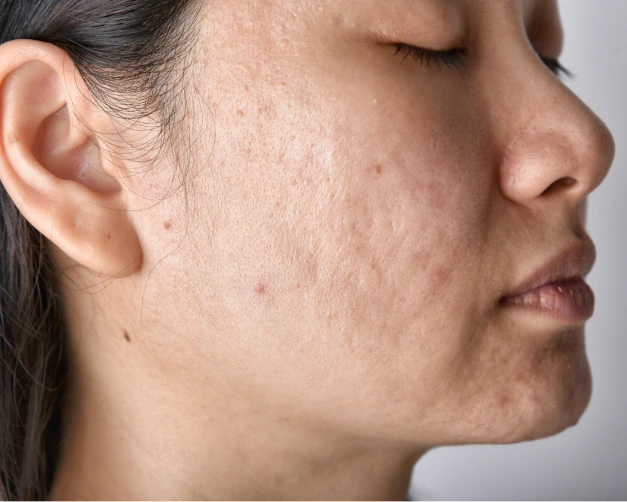
What to Expect From Your Treatment Journey
Pre-Treatment
Post-Treatment
Why Choose AlyneMD
Frequently Asked Questions
Frequently Asked Questions
Q-Switched lasers use nanosecond-scale pulses with high peak power to target pigment. The exact effect depends on wavelength and settings; treatment is selected to the pigment type and depth rather than using one universal protocol.
Cost depends on the treatment area, pigment diagnosis, wavelength and settings required, and whether your plan involves one treatment or a series. AlyneMD reviews the recommended course and total cost before treatment begins.
The number of sessions varies depending on the depth and type of pigmentation, with most concerns requiring multiple sessions spaced over several weeks.
Downtime varies with wavelength, fluence, spot size, and the pigment being treated. Redness, swelling, darkening of treated spots, or temporary crusting can occur; stronger pigment treatments may have more visible recovery than low-fluence sessions.
Q-Switched lasers can be used across a range of skin tones, but risk is not identical for every patient. Darker skin tones and patients with melasma or a history of post-inflammatory hyperpigmentation require more conservative treatment selection and settings.
Gradual improvement is typically noticed after the initial sessions, with clearer and more even tone developing as treatments progress.
Direct sun exposure, harsh skincare products, and excessive heat should be avoided for a few days to support proper skin recovery.