.svg)


PRP Hair Restoration in New Jersey
.svg)
PRP (Platelet-Rich Plasma) hair restoration uses a concentrated preparation of your own platelets injected into areas of thinning. Evidence suggests PRP can improve hair density in some patients with androgenetic alopecia, although protocols and response vary.
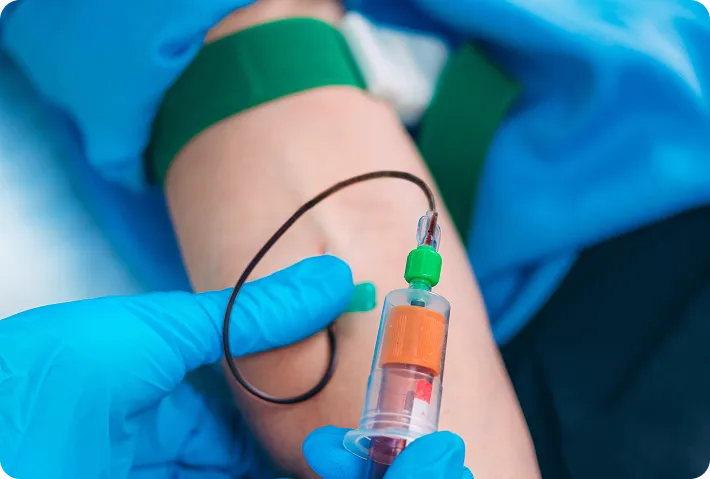
PRP should be matched to the diagnosis. A physician-led hair loss evaluation helps determine whether the pattern is appropriate for regenerative treatment, medical therapy, laser-assisted scalp treatment, transplantation, or a combination.
For patients who want a non-injectable option, KeraLase uses the 1927-nm Lutronic Ultra to create scalp microchannels before topical KeraFactor application. The two approaches are different and may be considered separately or as part of a broader plan.

How PRP Hair Restoration Works
When the goal is surgical redistribution of donor hair rather than nonsurgical density support, FUE hair transplantation is the more relevant pathway. Candidacy depends on donor supply, pattern stability, and coverage goals.


PRP Treatment Series, Downtime & Results


.svg)
.svg)

Real Transformations
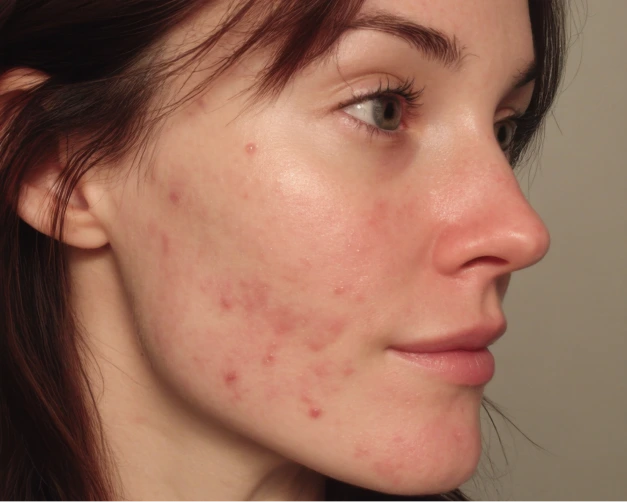
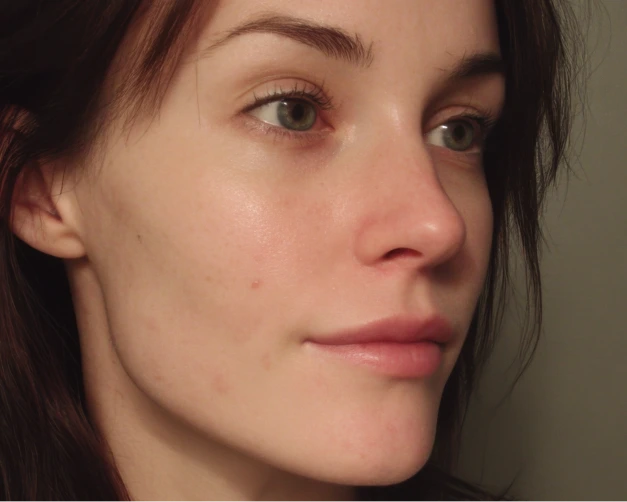


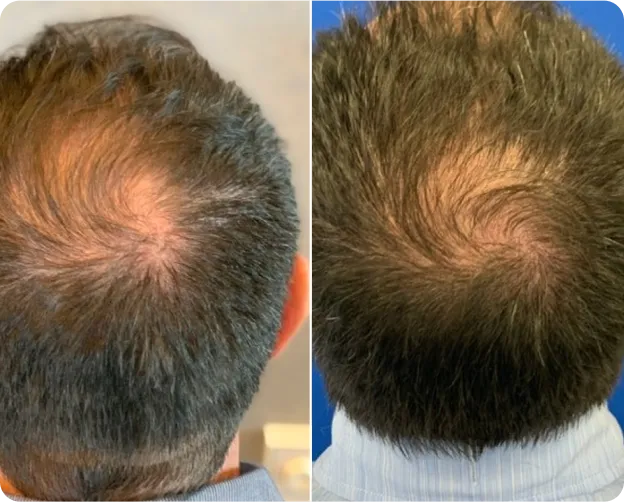
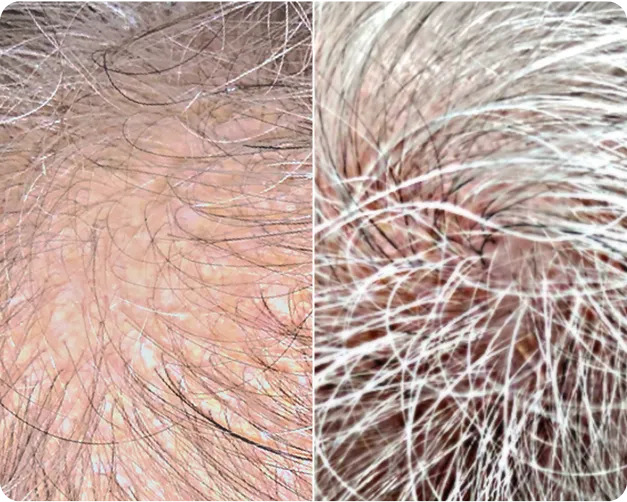
What to Expect With Scalp PRP
Pre-Treatment
Post-Treatment
Why Choose AlyneMD
Frequently Asked Questions
PRP may improve hair density and reduce shedding in some patients with androgenetic alopecia, but response varies and it does not create new follicles where follicles are absent. Diagnosis and baseline donor/follicle status matter.
PRP is generally performed as an initial series rather than a one-time treatment. The exact number and maintenance schedule vary with the diagnosis, baseline density, response, and the protocol used.
PRP uses your own platelets to naturally regenerate tissue, making it minimally invasive and reducing the risk of side effects.
Most sessions last 30–45 minutes, including preparation and treatment.
PRP may be used alone or incorporated into a broader hair-restoration plan. Depending on the diagnosis, that plan may also include medical therapy, KeraLase, Fotona HAIRestart, or FUE transplantation.
Follow the scalp-care instructions provided after treatment. Temporary tenderness, pinpoint bleeding, or redness can occur; avoid unnecessary irritation and follow the recommended timing for washing, exercise, and other hair treatments.
PRP is not recommended for individuals with blood disorders, active infections, or certain chronic illnesses. Your specialist will assess your suitability before treatment.

.svg)