.svg)


.svg)
Hair Loss & Hair Restoration in New Jersey
Hair loss and scalp concerns can present as increased shedding, reduced density, a widening part, receding hairline, or scalp symptoms. AlyneMD evaluates the pattern first, then builds a physician-led plan using regenerative therapies, laser-assisted scalp treatments, or FUE transplantation when appropriate.
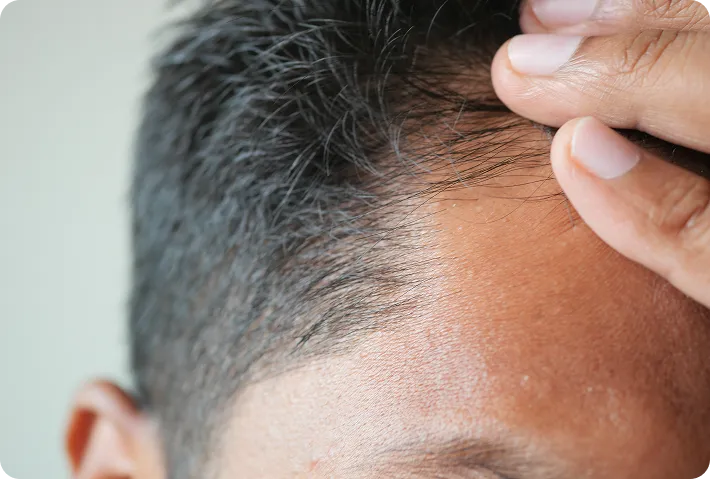
Hair concerns can develop from inherited pattern loss, hormonal or medical factors, stress-related shedding,
inflammation, medications, nutritional deficiencies, or certain scalp disorders. Identifying the cause helps determine whether regenerative treatment, laser therapy, or transplantation is appropriate.
Our clinicians use advanced, non-surgical treatments at the scalp and follicle level to
restore balance & support regeneration. These approaches improve hair quality and density gradually, with minimal disruption to routines.

Why Hair Loss Happens
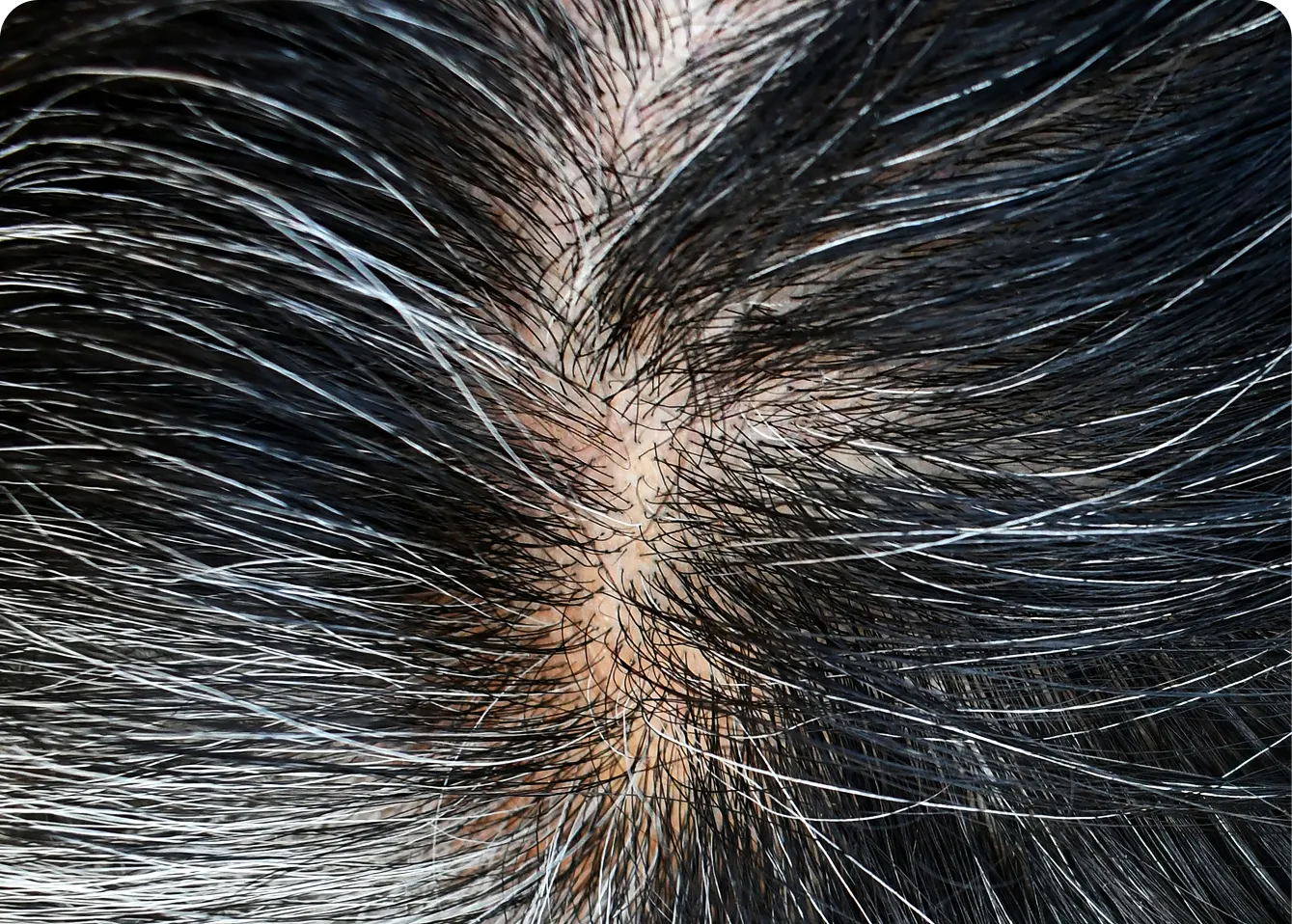
Hair loss can reflect inherited pattern loss, hormonal or medical factors, inflammation, medications, nutritional deficiencies, stress-related shedding, or scarring disorders. The first step is identifying the pattern before choosing a procedure.
Common Hair Loss Patterns
How We Treat It
Treatment is selected to the diagnosis and may include PRP, laser-assisted scalp therapy, KeraLase, or FUE transplantation when appropriate.
Best Candidates
Who Is a Candidate for Hair Restoration?
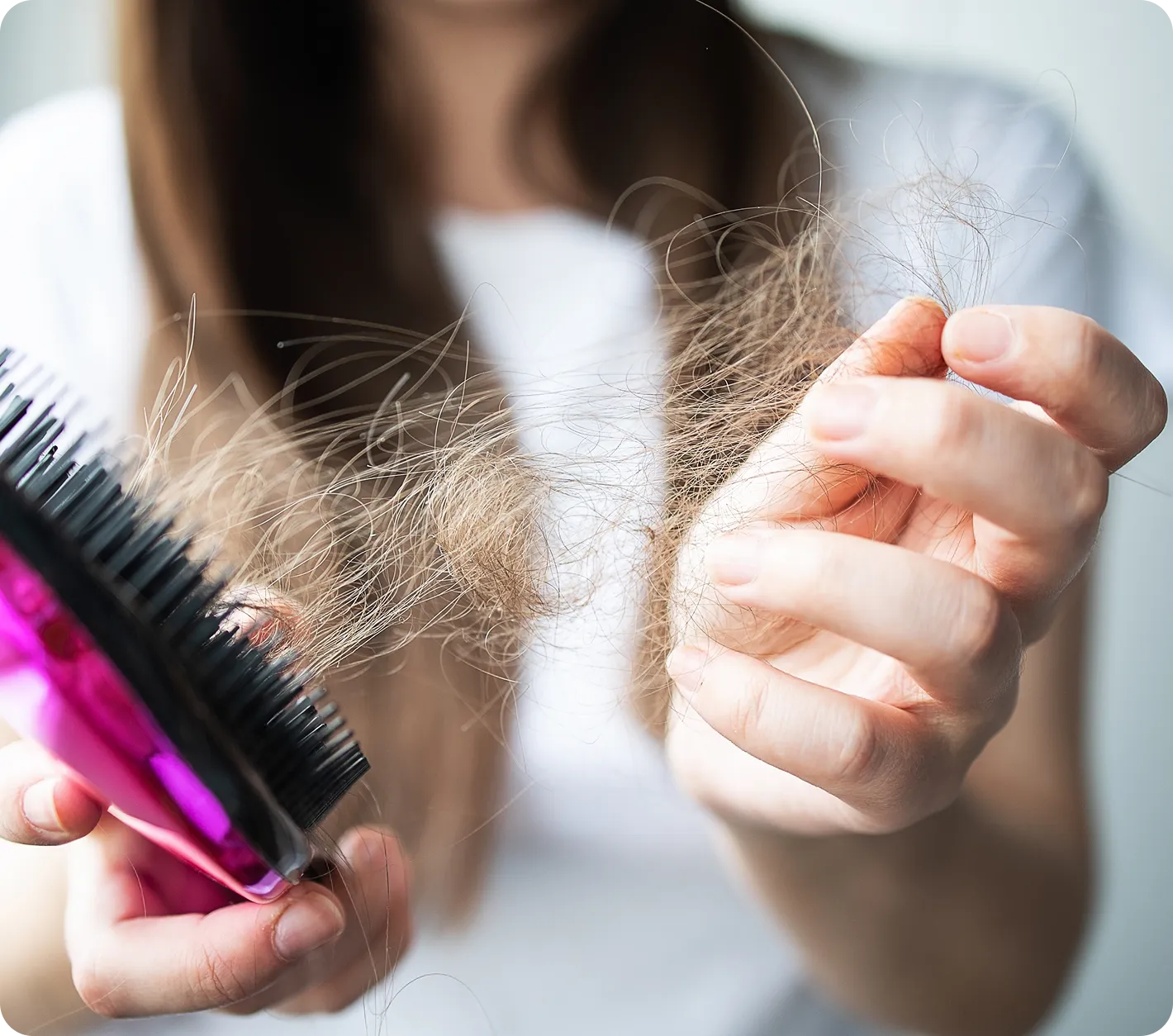
Candidates include men and women with progressive thinning, reduced density, a widening part, receding hairline, or increased shedding. The appropriate pathway depends on the cause, stability of hair loss, donor density, scalp health, and treatment goals.
Hair Restoration Treatments
FUE Hair Transplant
to thinning or balding areas for natural-looking restoration.
PRP Hair Restoration
follicle activity and hair density in selected patients.
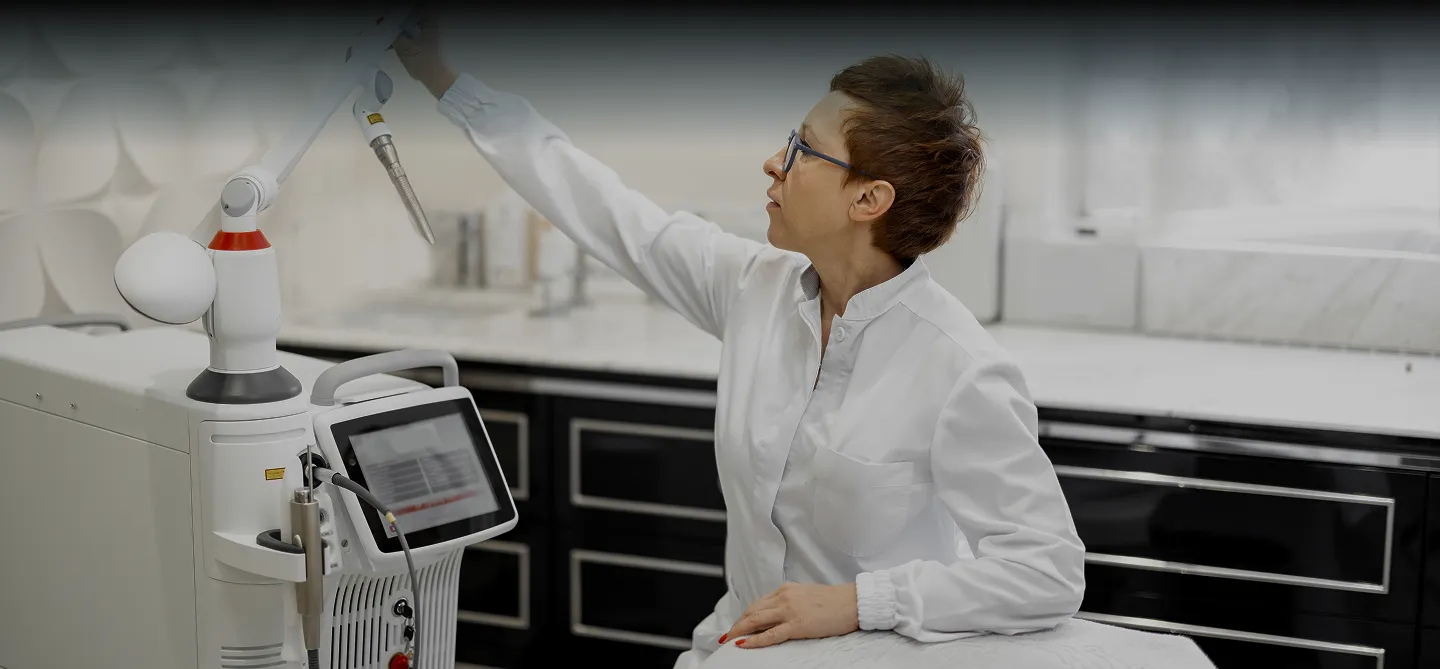
Fotona HAIRestart®
hair-growth stimulation without surgery.
KeraLase Hair Restoration
of a topical hair-support serum for thinning hair and scalp health.
Hair & Scalp Health
Benefits of Hair & Scalp Health Treatments
Supports Hair Density
Supports follicle stability to reduce breakage
and ongoing hair fall.
Supports Healthy Growth Cycles
Encourages active growth phases for more
consistent hair renewal.
Supports Scalp Health
Helps balance oil and calm the scalp for healthier hair growth.
Why Choose AlyneMD
Frequently Asked Questions
Frequently Asked Questions
Hair thinning and shedding can have many causes, including inherited pattern loss, hormonal or medical factors, medications, nutritional deficiencies, stress-related shedding, inflammation, and scarring disorders. Evaluation helps determine which treatment pathway fits the pattern.
Not always. Early-stage thinning or shedding can often be improved when follicles are supported before long-term damage develops.
Non-surgical approaches focus on improving scalp health, circulation, and follicle stimulation to support healthier growth.
The number of sessions depends on the concern, severity, and individual response, with plans tailored for gradual improvement.
Most options are designed to be safe across different hair textures and scalp types, following professional assessment.
Maintenance may be needed, especially when genetic or hormonal factors continue to influence hair cycles.
Results develop progressively, typically becoming noticeable over several months as hair growth cycles renew.

.svg)