Platelet-rich fibrin (PRF) is prepared from a small sample of your own blood. It may be used in selected patients to support skin quality and tissue repair. Your clinician assesses whether it suits your concerns and explains the evidence, limitations and alternatives.

PRF contains platelets within a fibrin matrix. Unlike a neuromodulator, it does not relax facial muscles. Unlike hyaluronic acid filler, it is not a synthetic gel designed to provide predictable structural volume.
Preparation and treatment protocols vary. Research in aesthetic rejuvenation is promising but limited, and improvement is not guaranteed. A consultation helps distinguish concerns that may respond to PRF from those better addressed with another treatment.

PRF — Key Points
An individualized treatment using a blood-derived preparation, with realistic expectations and a plan tailored to your anatomy.

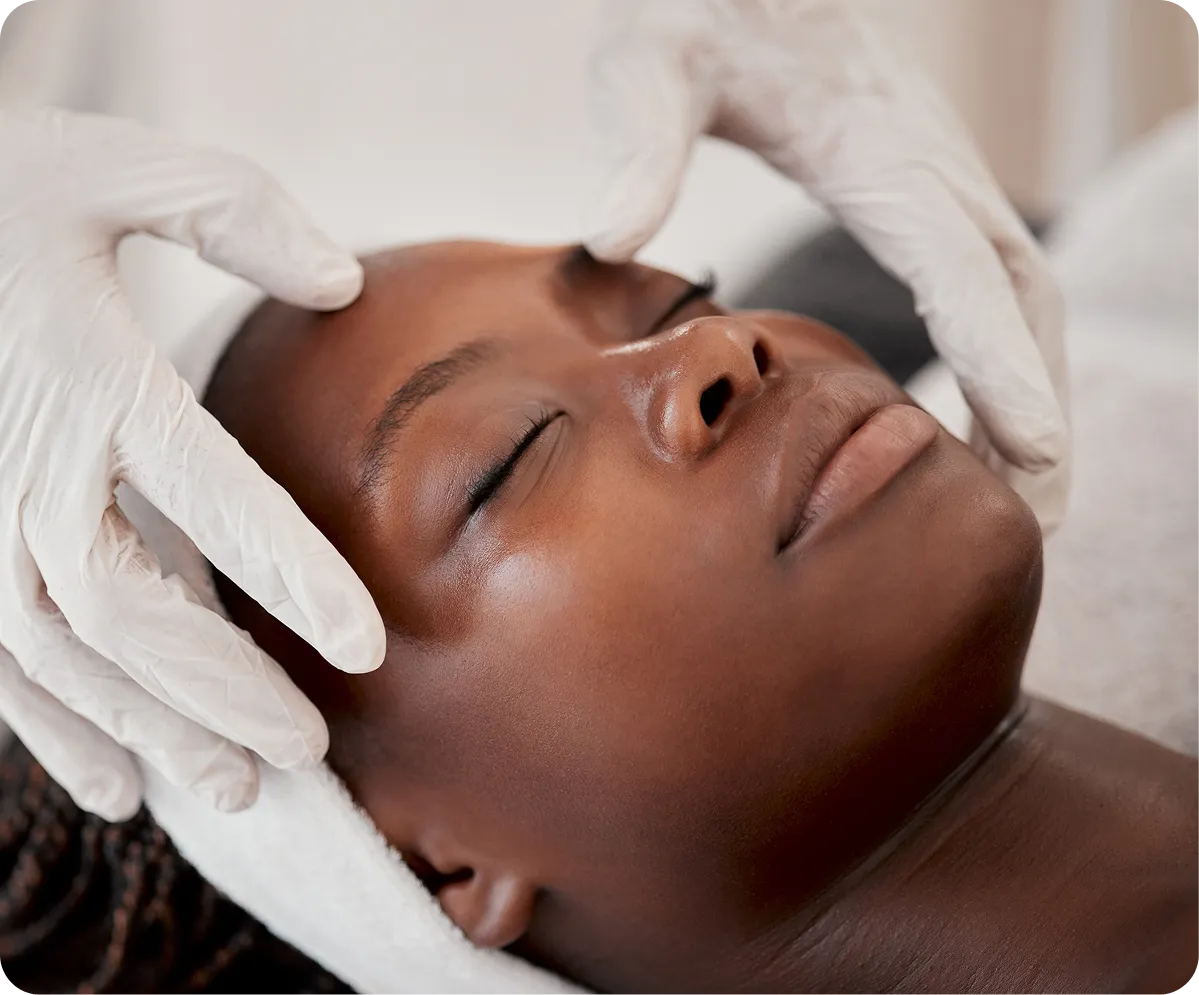
Treatment Highlights and What to Expect


What to Expect From Your Treatment Journey
Pre-Treatment
Post-Treatment
Frequently Asked Questions
Frequently Asked Questions
HIGH VISUAL PERFORMANCE
PRF is a preparation made from your own blood that contains platelets within a fibrin matrix. It is used in selected aesthetic treatment plans; expected benefits and evidence limitations should be discussed before treatment.
Jeuveau relaxes targeted muscles, while dermal fillers can provide structural volume. PRF is blood-derived and does not work in the same way. Your clinician recommends an approach based on the cause of your concern.
The visit includes preparation, a blood draw, processing and treatment. Timing depends on the area and protocol and is confirmed when your treatment is planned.
Any improvement develops gradually and varies between patients. Early swelling is not the final result. Follow-up allows your clinician to assess response before recommending further treatment.
There is no single reliable duration for every PRF treatment. The treatment area, preparation method and individual response affect the outcome; maintenance is considered after reassessment.
Sometimes. Your clinician determines whether combination treatment is appropriate and how procedures should be spaced. Adding treatments does not automatically improve the result.
Temporary swelling, tenderness and bruising can occur. Infection and other injection-related complications are possible. Using your own blood does not make treatment risk-free. Your clinician reviews area-specific risks and recovery before you decide.
Refined, never overdone.
Meet our clinical team to plan treatment around your anatomy, goals and skin.