
Double Chin
A double chin, also known as submental fullness, develops when excess fat or loose skin collects beneath the chin. This can result from genetics, aging, weight fluctuations, or poor posture that weakens neck muscles over time.
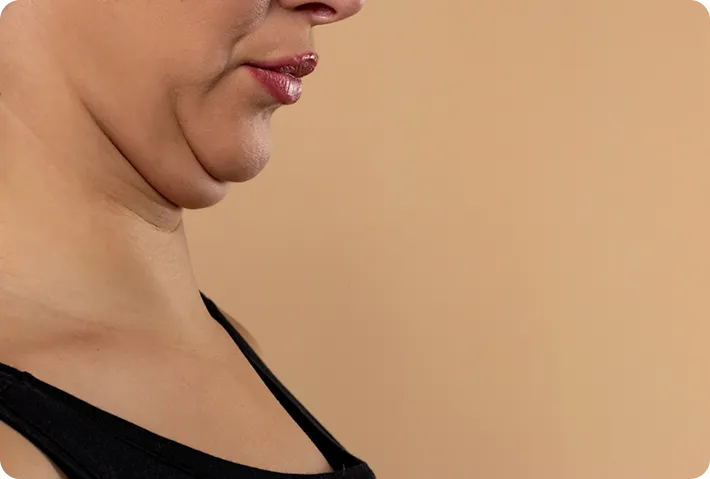
While harmless, a double chin canaffect facial harmony and make the lower face appear heavier or less defined. In some cases, skin laxity may worsen the appearance, creating sagging or folds around the jawline.
At AlyneMD, our experts assess the underlying cause—fat accumulation, skin laxity, or both—to design a personalized approach that restores a firmer, more contoured profile.

Science Behind Double Chin
A double chin, or submental fullness, occurs when fat gathers beneath the chin. Over time, genetics, aging, and weak elasticity cause fat buildup and loose tissue.
Types of Fine Wrinkles
Treatment
TreatmentNon-surgical treatments dissolve fat, tighten skin, and sculpt a defined jawline.Book a Consultation
Best Candidates
Best Candidates
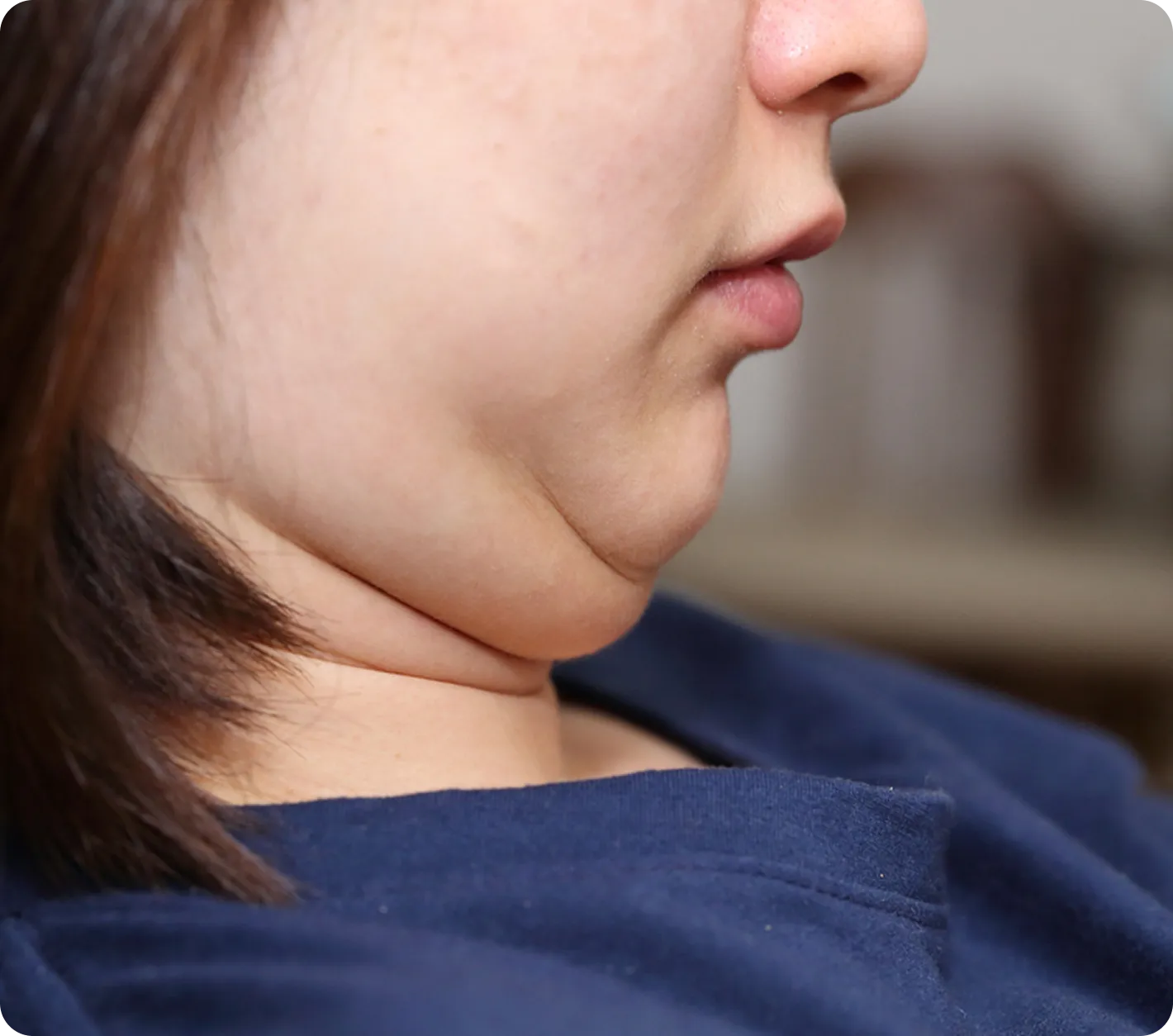
People with a double chin often notice a softer jawline or excess fullness below the chin that doesn’t improve with diet or exercise. These treatments target fat buildup and skin laxity, helping refine facial balance and restore definition.
Treatment Options

Kybella & Fat Dissolving

PDO Threads & MyEllevate

Double Chin
Benefits of Double Chin Treatments
Defined Jawline
Reduce chin fullness and contour the jawline for a slimmer, more sculpted appearance.
Improved Profile Balance
Refine lower face proportions by tightening skin and enhancing overall facial harmony naturally.
Targeted Fat Reduction
Fat-dissolving injections break down stubborn under-chin fat that diet and exercise often don't reach.
Frequently Asked Questions
Frequently Asked Questions
HIGH VISUAL PERFORMANCE
Under-chin fullness can reflect localized fat, skin laxity or facial structure. An examination helps distinguish these factors and checks for other causes of fullness, such as an enlarged thyroid or swollen lymph nodes.
Yes. Under-chin fullness is not limited to people with excess weight. Fat, skin laxity and facial structure can each contribute, and an examination helps tell them apart.
Some approaches target fat; others address skin laxity. The appropriate option depends on what is causing the fullness and your medical history.
Discomfort and swelling vary by procedure. Your clinician will explain pain control, recovery and risks for the specific treatment proposed.
The plan depends on the treatment and amount of fullness. A consultation is needed before estimating sessions.
Changes may develop gradually as swelling resolves and tissues respond. Your clinician will explain the expected timeline for your procedure.
Durability depends on the treatment, and long-term data are limited. Weight change and ongoing skin aging can alter the contour over time.
Refined, never overdone.
Meet our clinical team to plan treatment around your anatomy, goals and skin.