
Surgical Scars
Surgical scars form as the skin heals after an incision or procedure, leaving behind marks that can vary in texture, color, & thickness. These scars may appear raised, indented, or uneven, depending on factors like wound care, skin type, & healing response
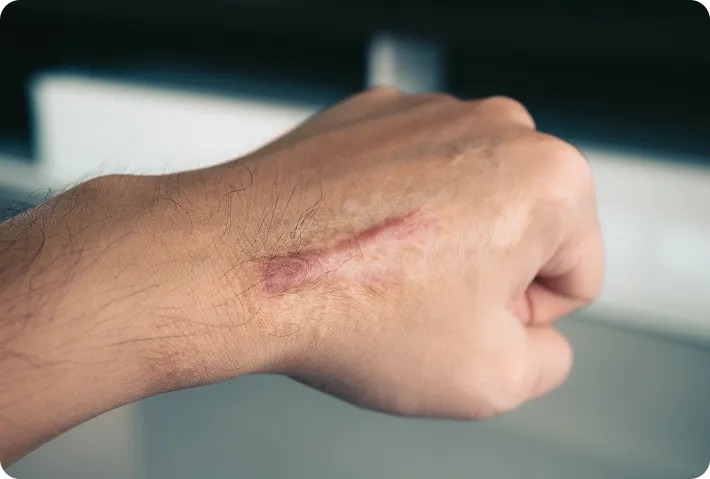
While surgical scars are a normal part of recovery, they can sometimes affect confidence—especially when located on highly visible areas such as the face, neck, or body. Over time, scars may also tighten or cause mild discomfort due to tissue changes beneath the surface.
At AlyneMD, scar treatment is planned around your scar, skin type and goals after an assessment.

Science Behind Surgical Scars
Surgical scars form as the skin heals after an incision or procedure. Collagen rebuilds the tissue, sometimes creating raised, indented, or discolored marks based on healing response and skin type.
Types of Fine Wrinkles
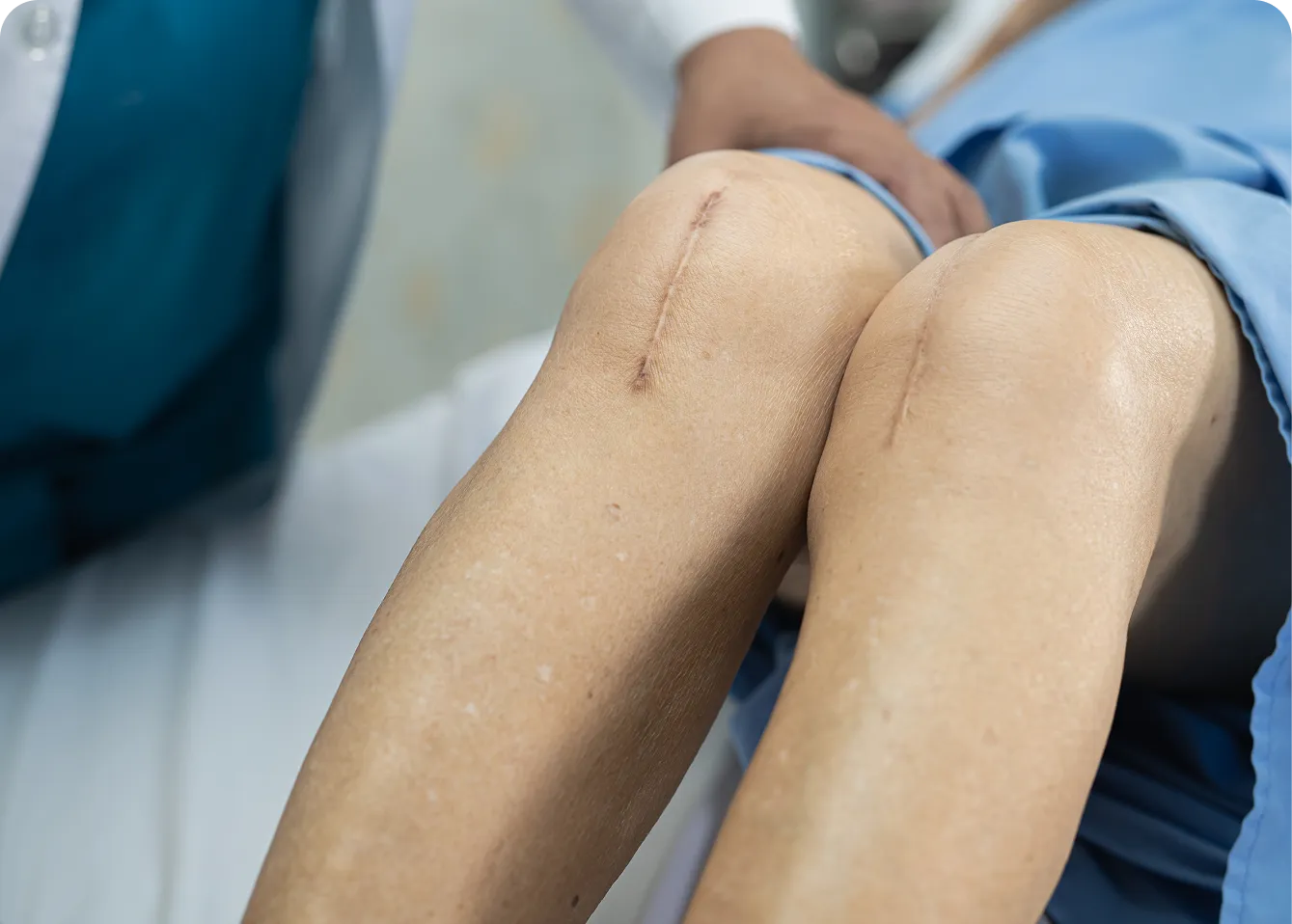
Treatment
Advanced treatments like lasers, RF microneedling, and Plexr plasma smooth and refine scars.
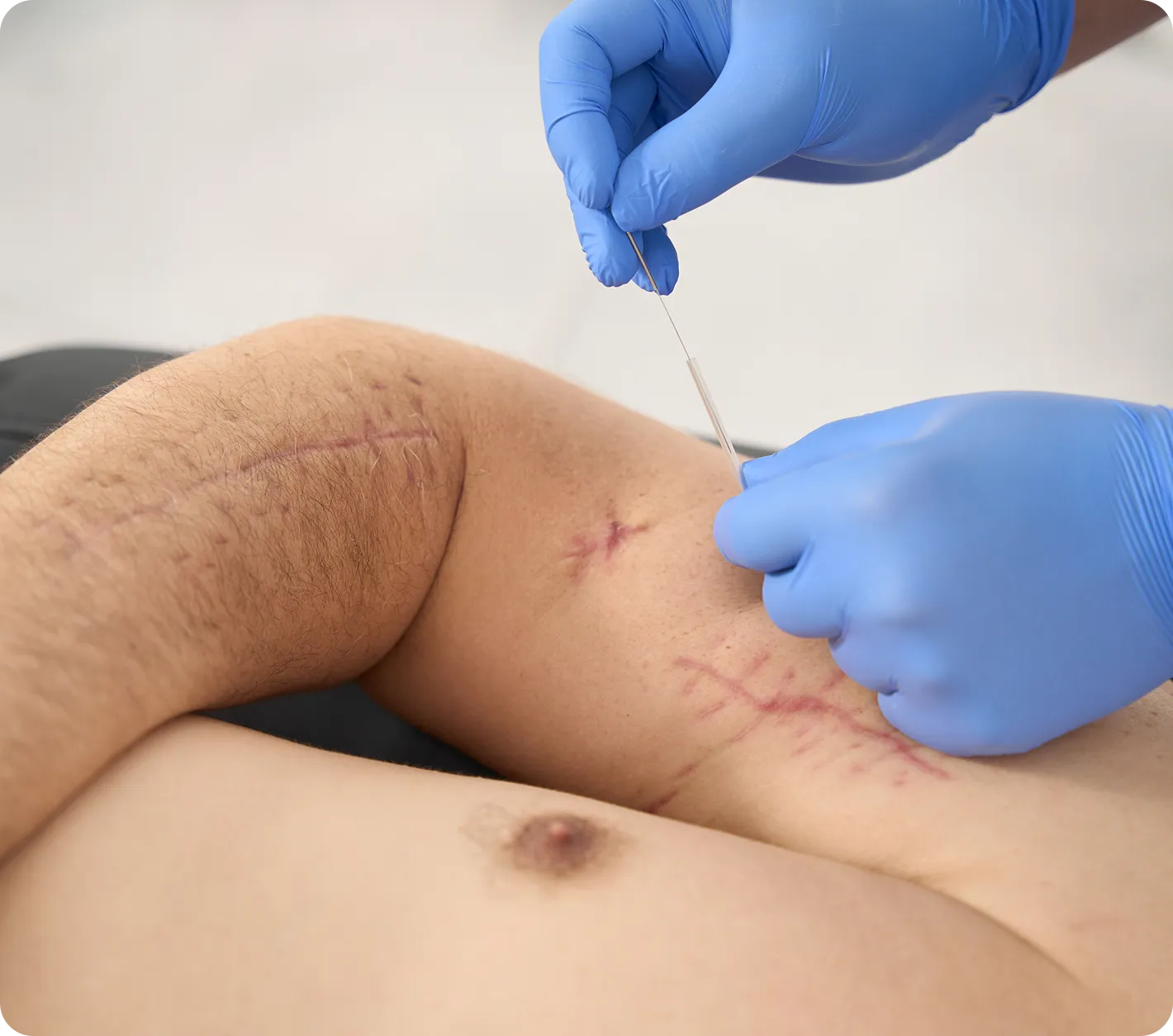
Best Candidates
Best Candidates
Perfect for those with fine lines and wrinkles around the eyes or mouth seeking smoother, firmer, more youthful-looking skin without surgery. Treatments rejuvenate delicate areas, soften expression lines, and enhance natural radiance
Treatment Options

Lasers (RF, CO₂, MultiFrax)

Plexr Plasma – Scar Revision
Fillers & Biostimulators

Surgical Scar
Benefits of Surgical Scar Treatments
Smoother, Refined Texture
Reduce raised or indented scars, restoring smoother and more even skin texture.
Improved Skin Tone
Lighten discoloration and enhance overall tone for a balanced, natural complexion.
Keeps Improving
Collagen remodeling continues for months after treatment, so scars keep softening between sessions.
Frequently Asked Questions
Frequently Asked Questions
HIGH VISUAL PERFORMANCE
Scar tissue develops as an incision heals. Wound tension, infection, genetics and healing history can influence its appearance.
Some older scars can improve in color, texture or thickness, but treatment cannot guarantee complete removal.
The scar type determines the approach. Options may include silicone, injections, laser treatment or surgical referral; not every method suits every scar.
Discomfort depends on the procedure. Discuss anesthesia and recovery before choosing treatment.
A scar assessment is needed to estimate visits. Raised, discolored and depressed scars may need different treatment plans.
Recovery ranges from minimal disruption to wound care and activity restrictions, depending on the treatment.
Skin tone and a history of keloids or pigment changes affect treatment selection. An individualized risk assessment is important.
Refined, never overdone.
Meet our clinical team to plan treatment around your anatomy, goals and skin.