
Unwanted Hair
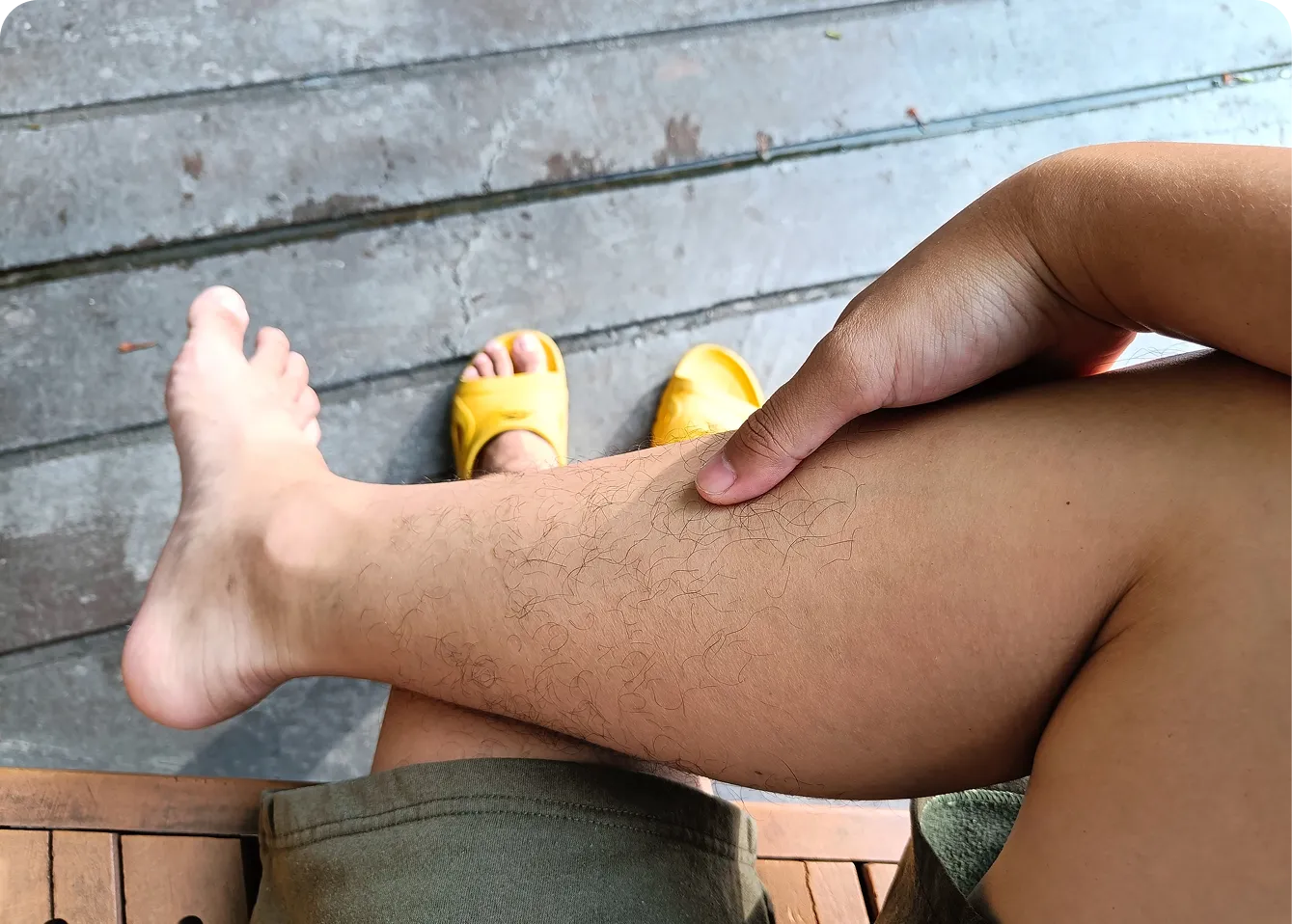
Unwanted hair occurs when coarse or dark hair develops in areas meant to stay smooth, such as the face, arms, legs, or body. It can result from hormonal imbalances, genetics, or medical conditions that stimulate excess hair growth.
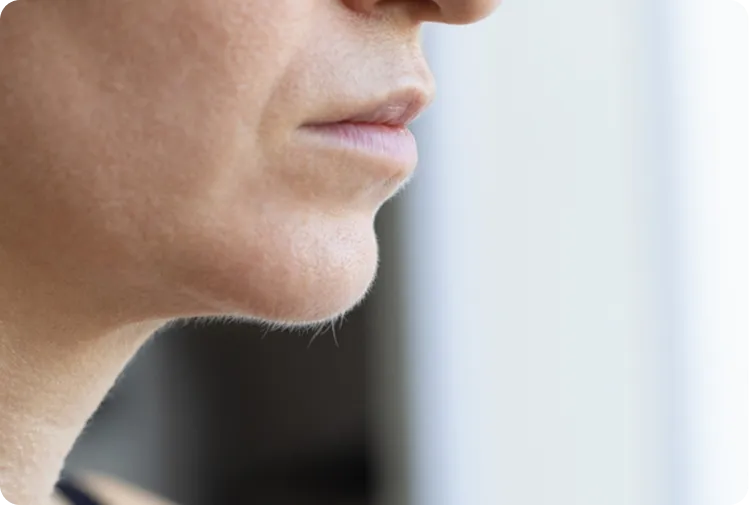
While not harmful, unwanted hair can affect self-confidence and make regular grooming time-consuming and frustrating.
At AlyneMD, assessment looks at possible causes of unwanted hair, such as hormonal, genetic or skin-related factors, before treatment options are discussed.

Science Behind Unwanted Hair
Unwanted hair develops when hair follicles become overstimulated due to hormonal shifts, genetics, or certain medications. These factors can increase hair growth rate, thickness, or pigment, leading to visible hair in undesired areas.
Types of Fine Wrinkles
Treatment
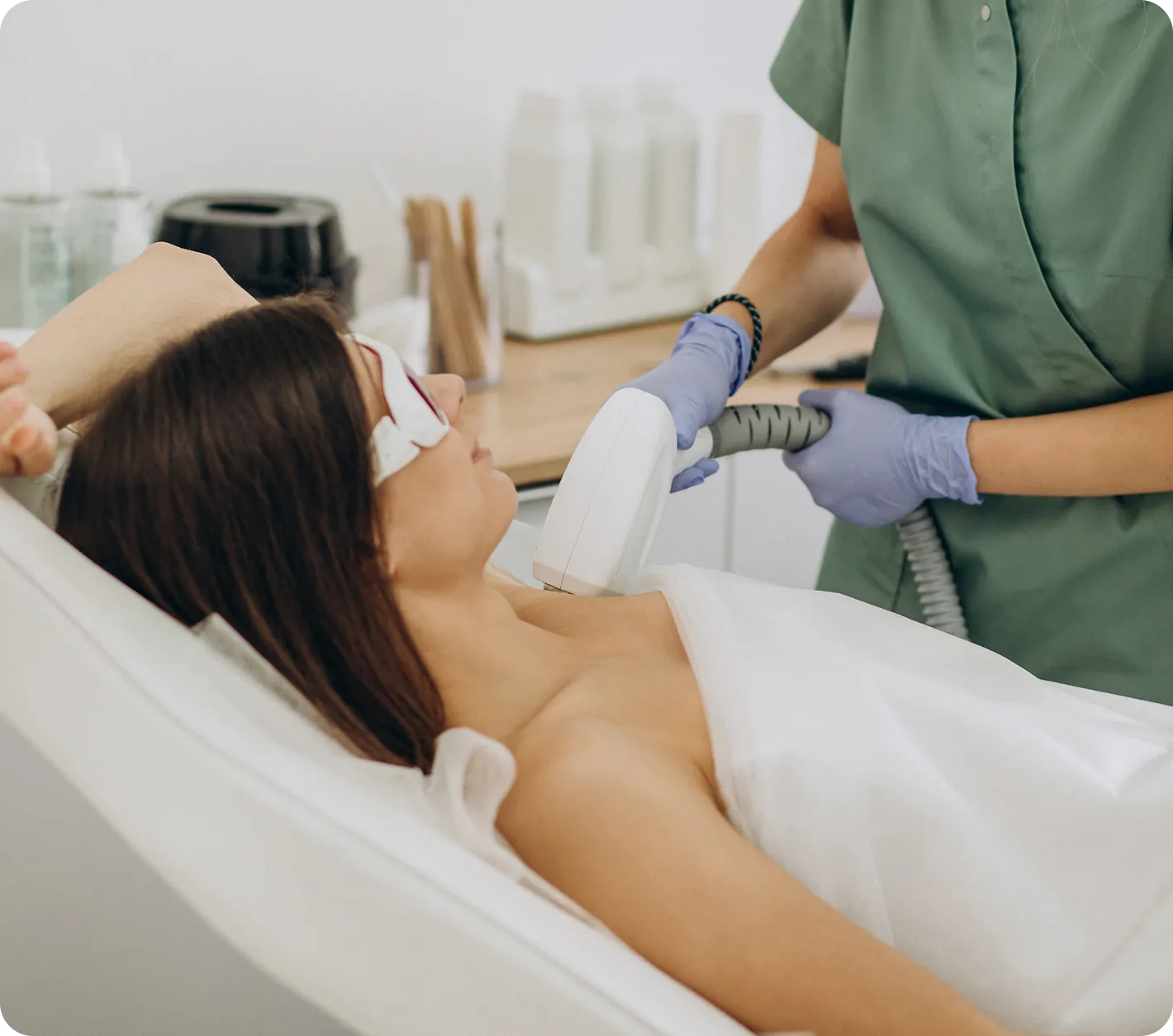
Advanced lasers target follicles to reduce regrowth, leaving skin smooth and lasting clear.
Best Candidates
Best Candidates
People with unwanted hair often experience excessive or coarse growth in areas where smooth skin is desired. These treatments effectively target hair follicles to reduce regrowth and reveal clearer, softer skin.
Treatment Options

Laser Hair Removal

Unwanted Hair Treatments
Benefits of Unwanted Hair Treatments
Smooth, Hair-Free Skin
Remove unwanted hair effectively, revealing silky, smooth, and beautifully clear skin naturally.
Gentle, Precise Technology
Advanced laser systems safely target follicles without harming surrounding delicate skin tissue.
Smooth, Hair-Free Skin
Remove unwanted hair effectively, revealing silky, smooth, and beautifully clear skin naturally.
Reduce Active Acne
Effectively control breakouts, reduce inflammation, & prevent future acne by balancing skin activity.
Stimulate Collagen
Effectively control breakouts, reduce inflammation, & prevent future acne by balancing skin activity.
Reduce Active Acne
Effectively control breakouts, reduce inflammation, & prevent future acne by balancing skin activity.
Frequently Asked Questions
Frequently Asked Questions
HIGH VISUAL PERFORMANCE
Genetics, hormones and some medical conditions or medications can affect hair growth. Sudden or marked changes may need medical evaluation.
Laser energy targets pigment in hair follicles to reduce subsequent growth.
Device choice and settings must suit your skin tone. Burns, blistering, pigment changes and scarring are possible, and tanned or darker skin carries a higher risk of pigment change. Blond, gray or white hair responds poorly.
Multiple visits are usually needed. The number and spacing depend on the area, hair type and your response.
Brief heat or stinging can occur. Cooling may help; temporary redness or swelling is possible.
Regrowth can occur and maintenance may be needed. Hormonal changes can influence results.
Common areas include the legs, underarms, bikini area and selected facial areas. Your clinician must confirm suitability and eye-safety precautions.